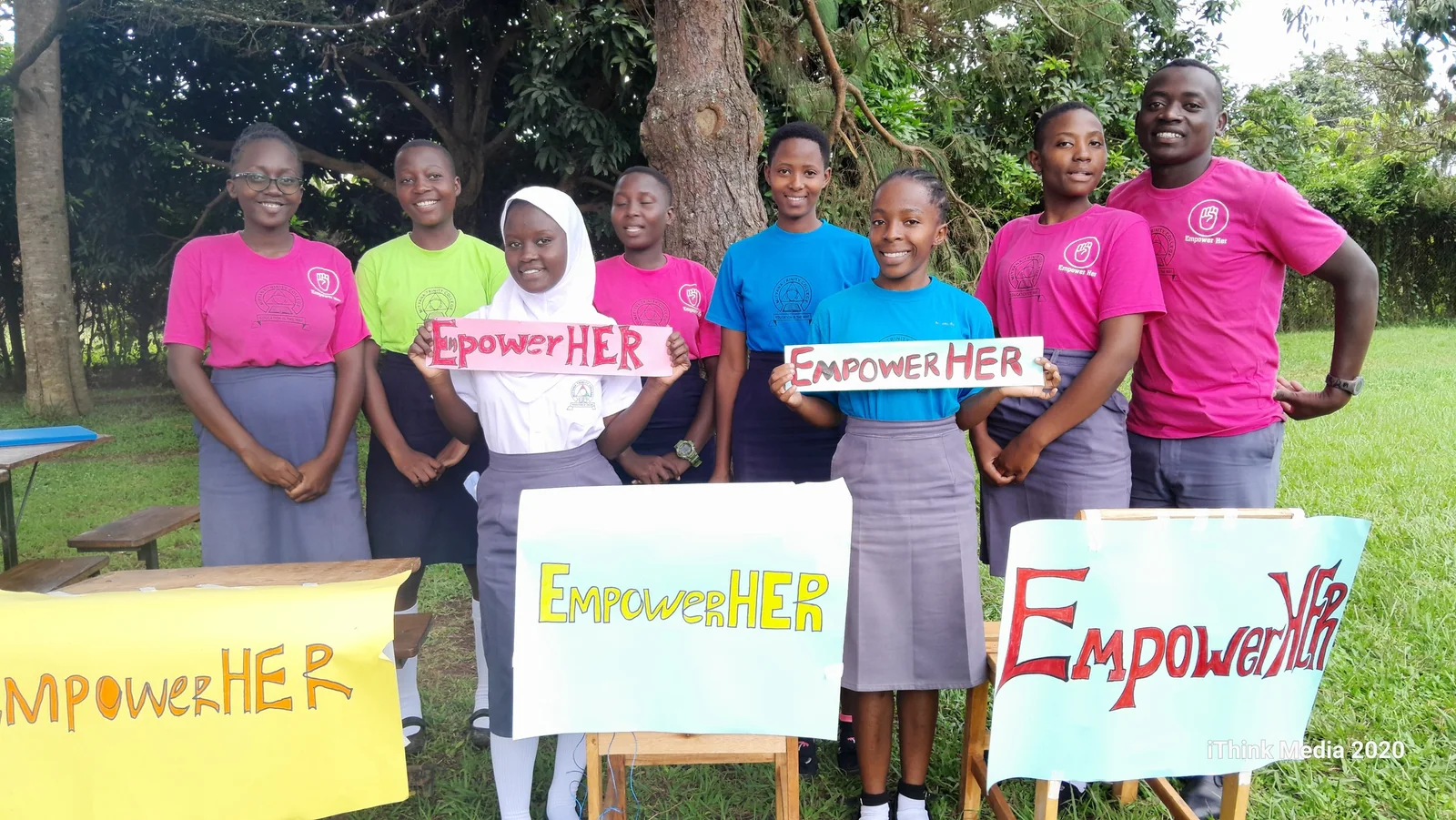
EmpowerHER began with a simple belief: girls should not lose their education, health, confidence or future because of gender inequality, early marriage, stigma or a lack of trusted support.
What the engagement means
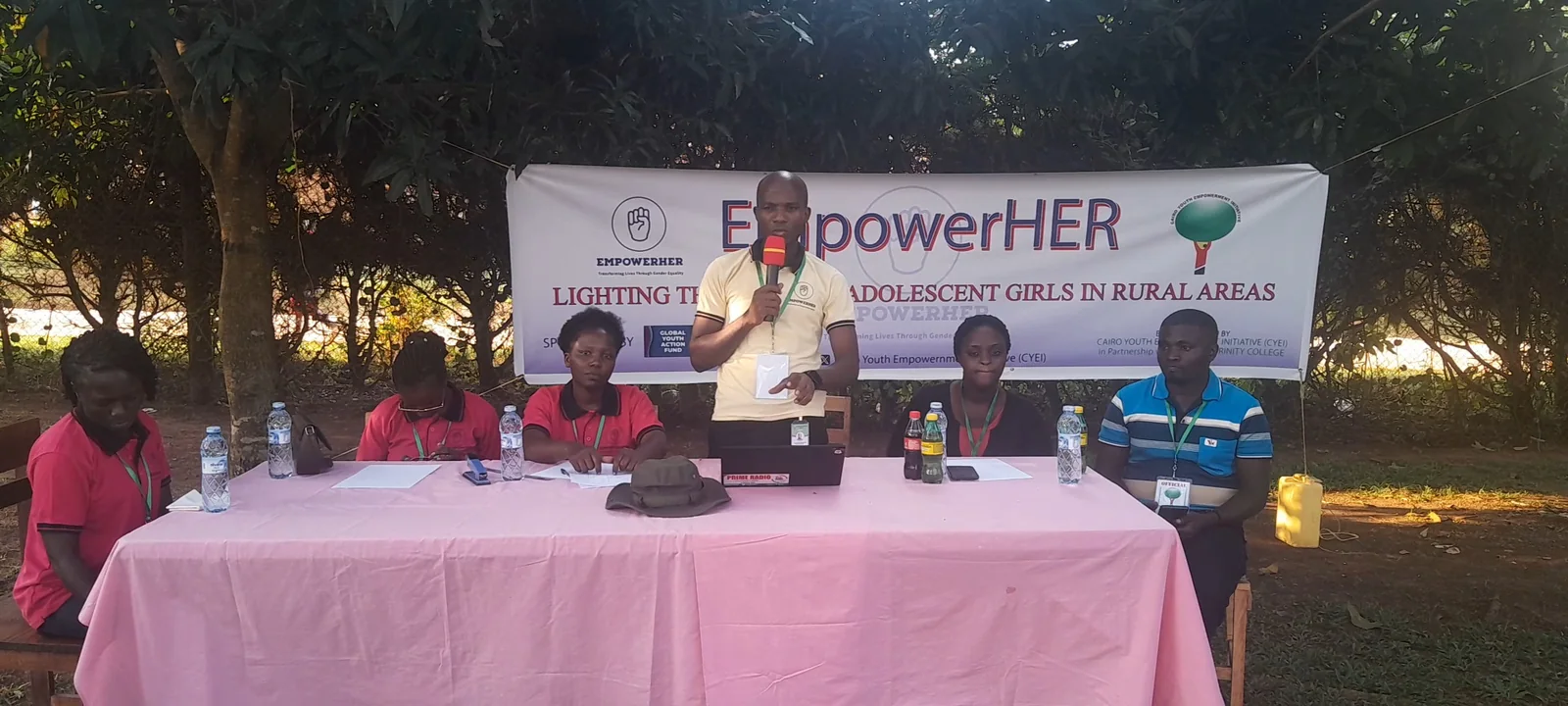
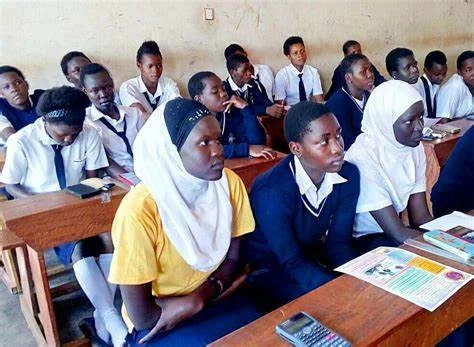
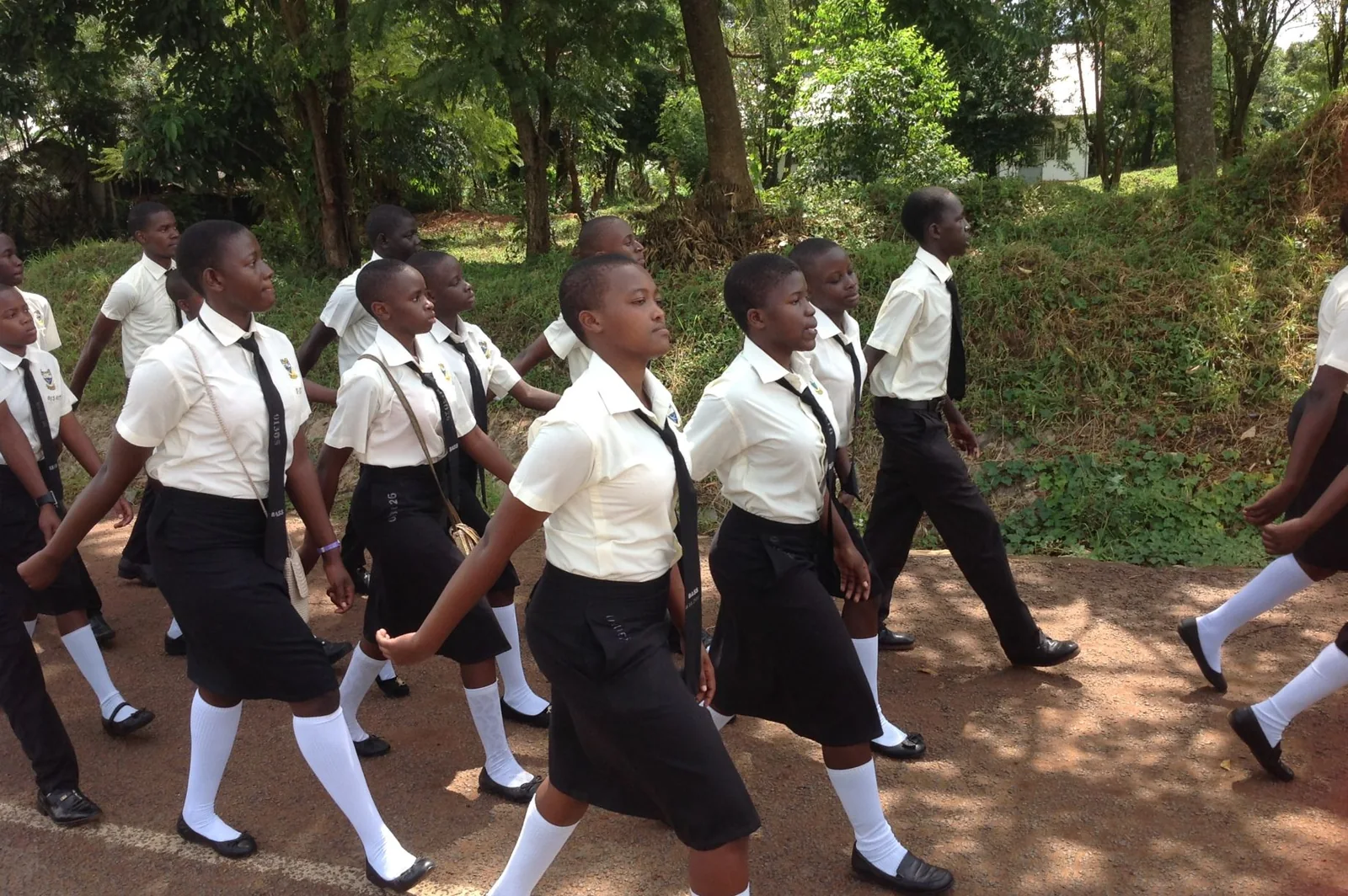
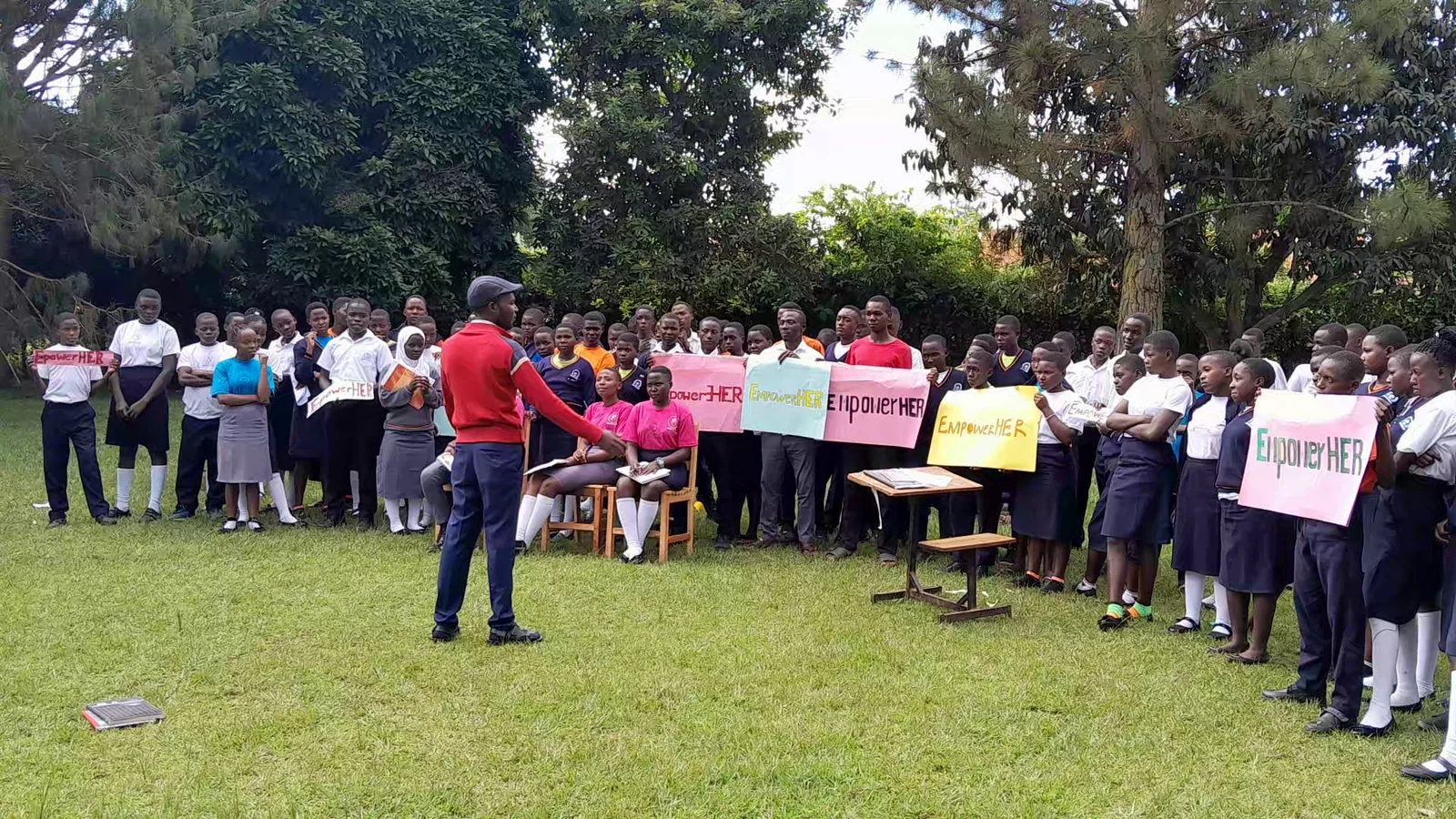
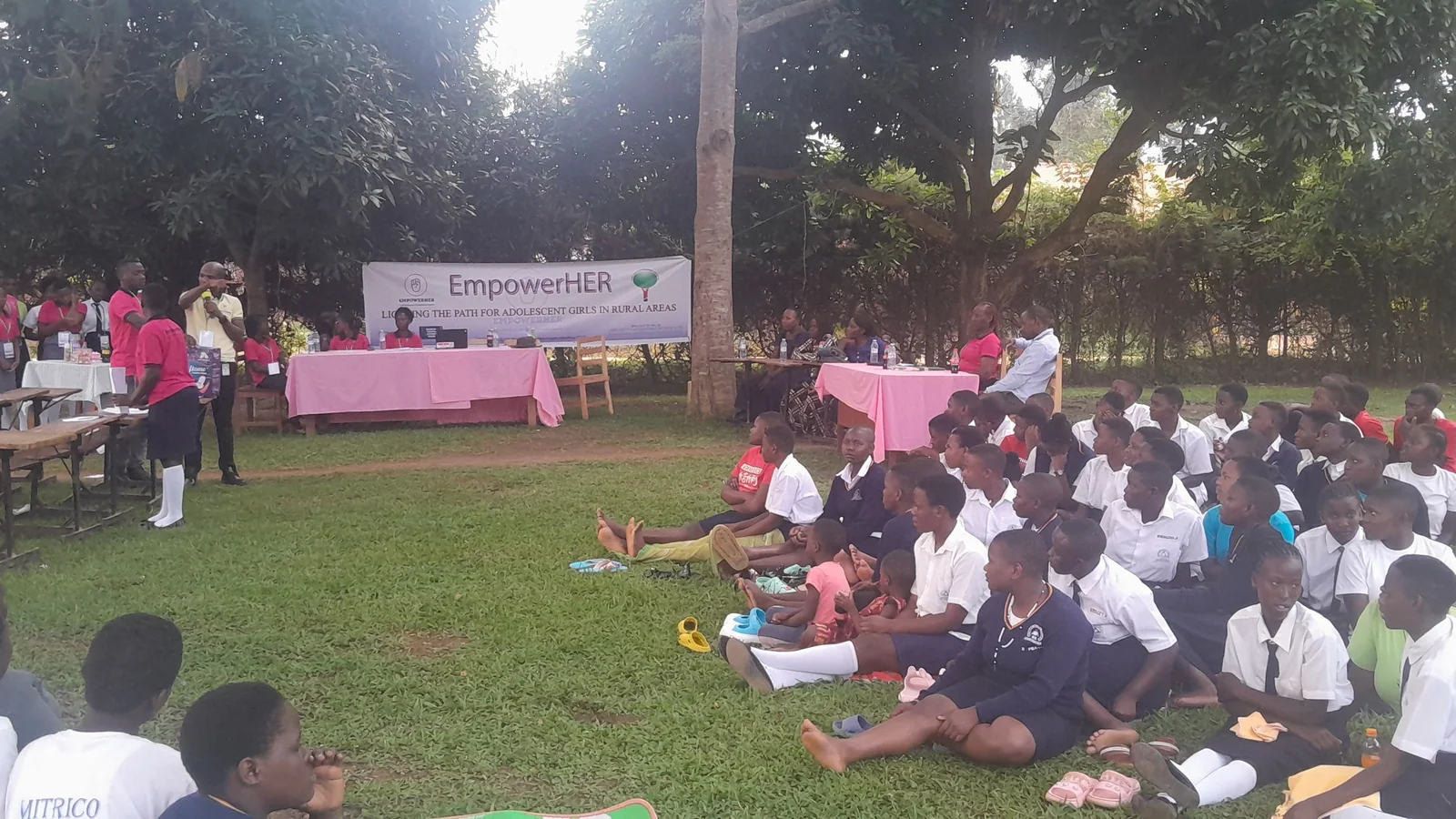
In 2024, Nantaba Norah Jovia and the EmpowerHER team received USD 2,500 through the Global Youth Action Fund and raised an additional USD 500, giving the youth-led project an initial total of USD 3,000. The project launched at Mityana Trinity College on 18 September 2024 and later extended activities to Kabayenga LCI Village and Mityana City Hall.
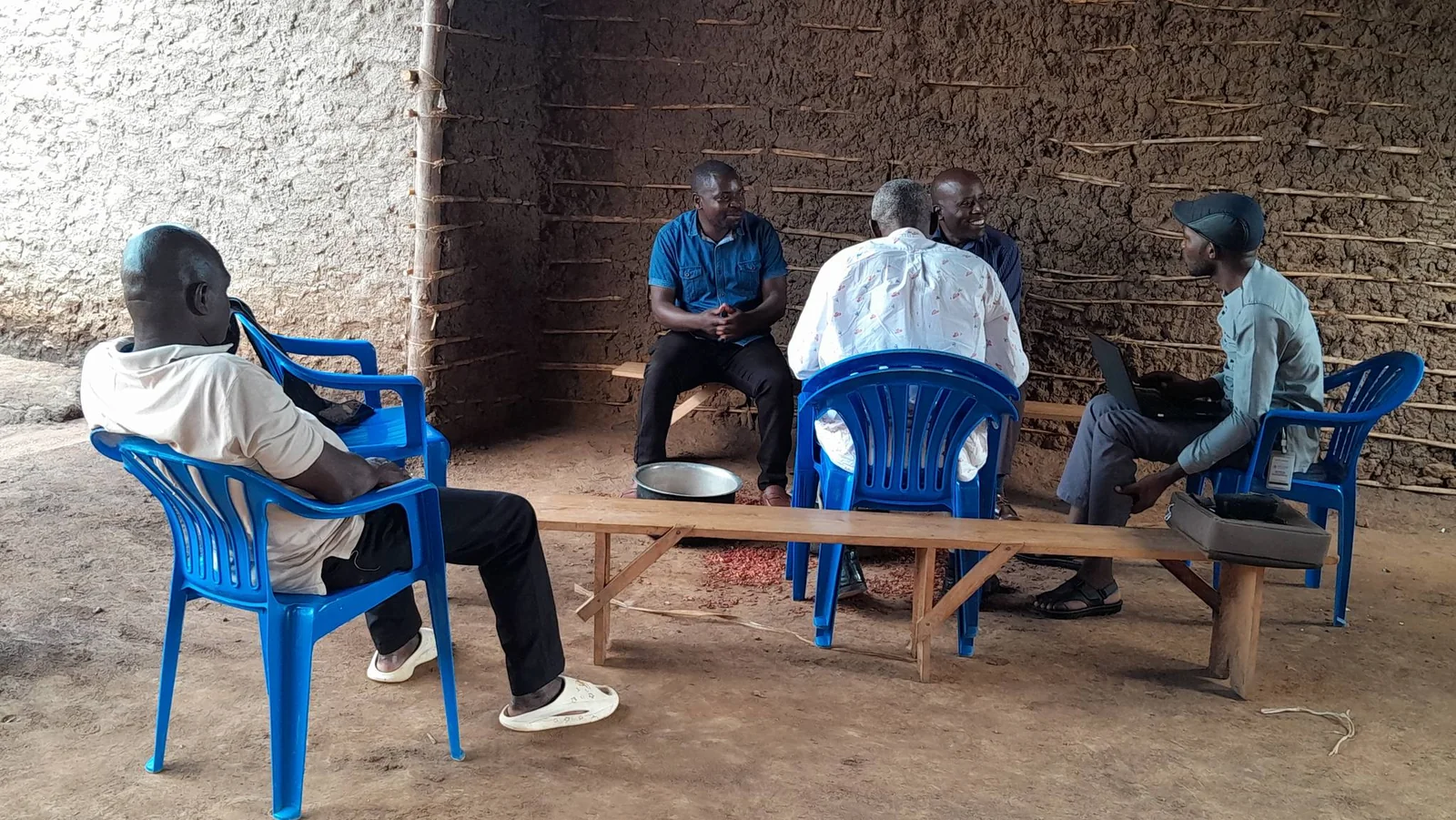
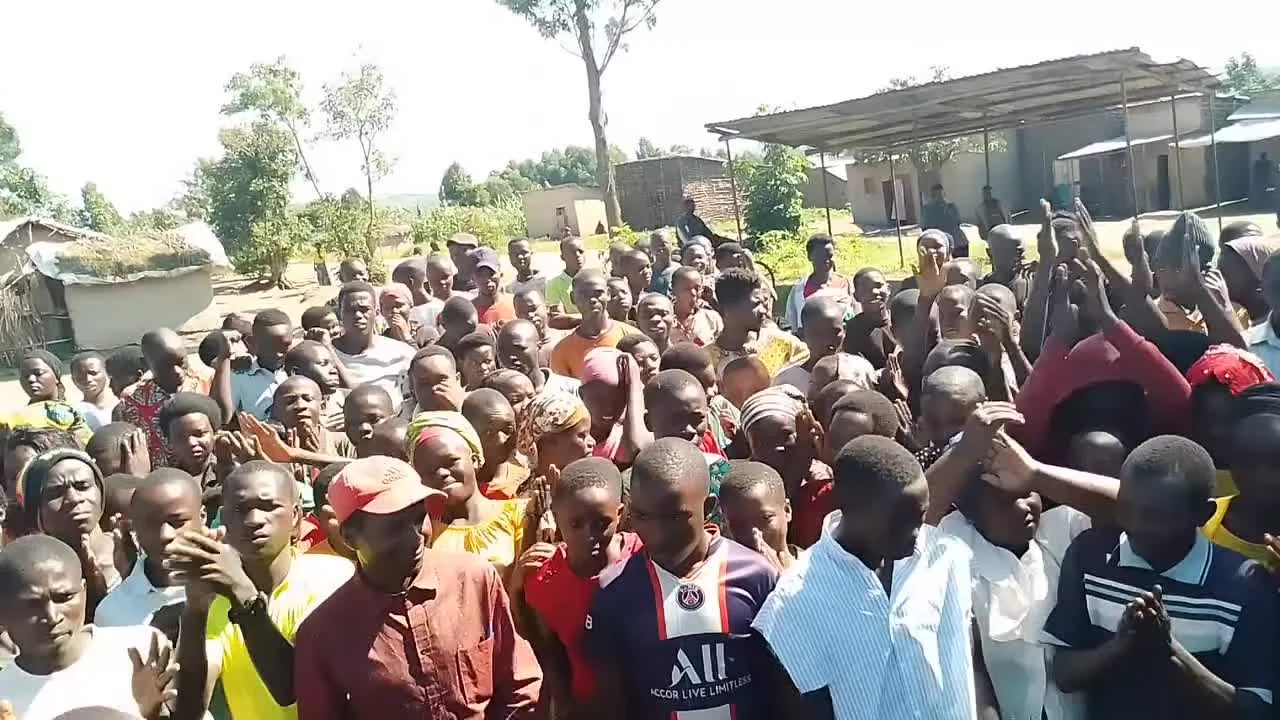
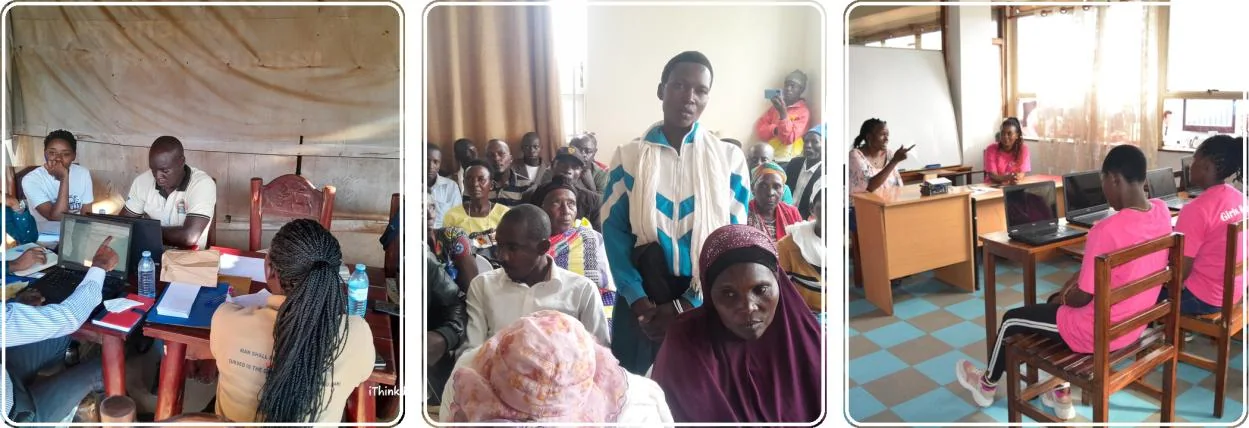
The first phase brought together girls, parents, teachers, community leaders and health-sector contacts. Activities addressed gender equality, early marriage, family-planning information, sexual and reproductive health awareness, peer support and practical community engagement.
The experience taught the team three important lessons. First, community trust matters: resistance is easier to address when parents, leaders and local structures are involved early. Second, peer support is essential because girls are more willing to speak and ask questions in respectful spaces. Third, practical barriers must be addressed alongside information if girls are to remain present, confident and connected.
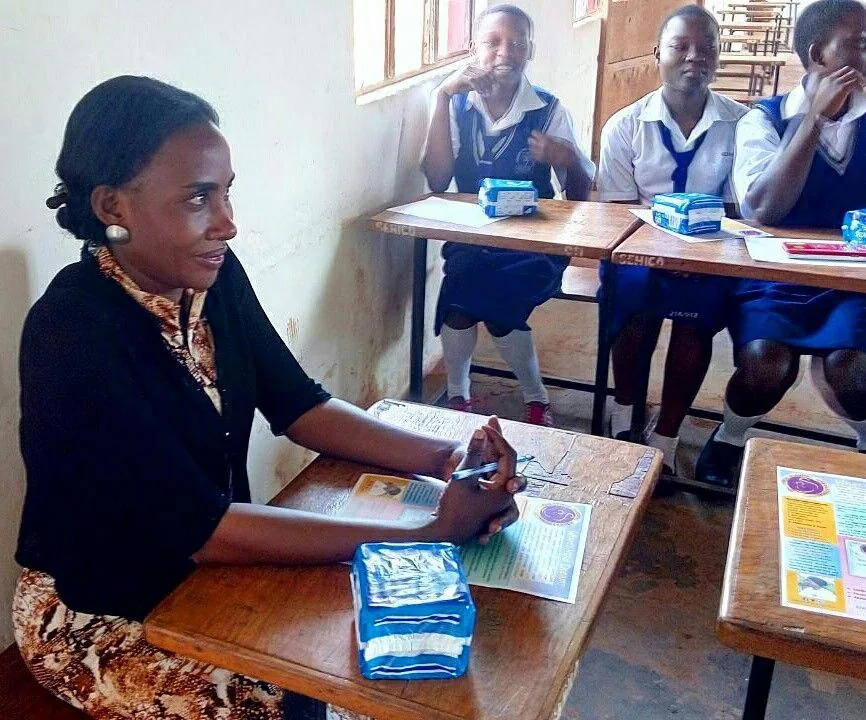
Since February 2026, EmpowerHER has been developing a deeper focus for girls in Kisenyi I and II, Kampala. This proposed next chapter responds to the everyday difficulty many girls face in accessing affordable menstrual materials.
The proposed model is a modest reusable-pad skills and girls’ safe-space point. Small groups would learn how to measure, cut, stitch, finish, clean and care for reusable sanitary pads. The space would also support respectful peer conversations on menstrual health, dignity, confidence and safe referral when a girl needs medical, protection or other specialist support.
The next phase is planned and should not yet be described as funded or fully implemented. The team has prepared a proposed first-stage budget of USD 1,000 for sewing equipment, starter materials, a simple production and learning set-up, girls’ sessions, starter kits and basic operating costs.
EmpowerHER’s journey shows how a youth-led idea can move from school-based action to wider community engagement. Its next chapter aims to remain practical, safe and close to the realities girls face every day: not only providing information, but building skills, peer support and dignity.
Nantaba Norah Jovia explains the vision clearly: she wants girls in Kisenyi to remain in school, speak without shame, learn a useful skill and know that their dignity matters.
CYEI is sharing this youth-led journey to recognize young people who turn lived challenges into practical community action, while clearly distinguishing completed work from the proposed next phase.
Photo gallery